What does it mean to create beneficial artificial intelligence? How can we expect to align AIs with human values if humans can't even agree on what we value? Building safe and beneficial AI involves tricky technical research problems, but it also requires input from philosophers, ethicists, and psychologists on these fundamental questions. How can we ensure the most effective collaboration? Ariel spoke with FLI's Meia Chita-Tegmark and Lucas Perry on this month's podcast about the value alignment problem: the challenge of aligning the goals and actions of AI systems with the goals and intentions of humans.
Claire Boine discusses how AI companion apps can foster attachment and dependency through design and freemium models. The episode examines privacy, risks for children and teens, legal gaps in the EU and US, and policy approaches to social harms.
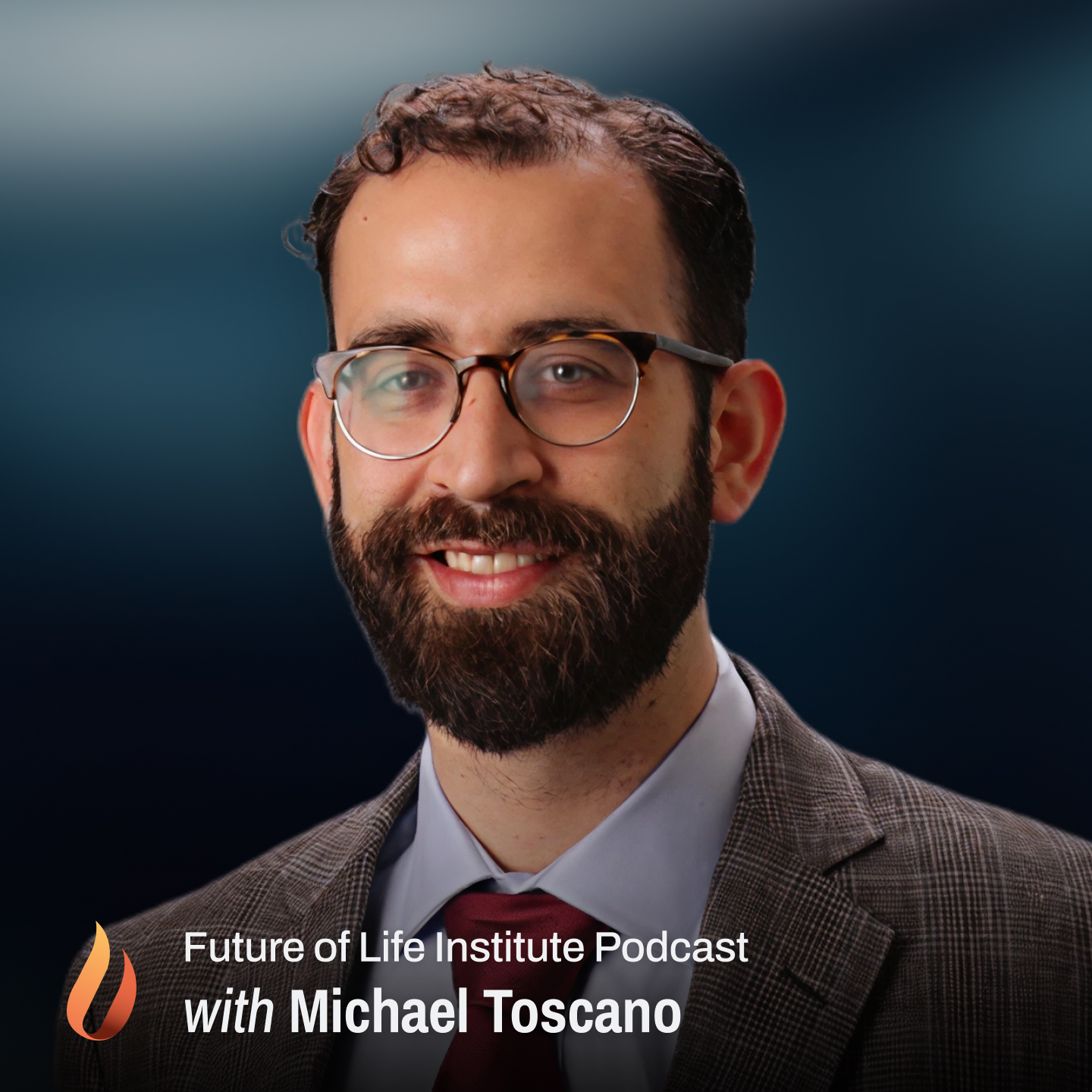
Michael Toscano discusses family-centered AI policy, including AI companions, sexualized chatbots, self-harm risks, schools, and smartphone use. He argues that governance should hold technology accountable to families and children’s development.
Anthony Aguirre of the Future of Life Institute discusses A Better Path for AI, arguing against races to replace people and for purpose-built AI tools with human control, guardrails, accountability, and international cooperation.