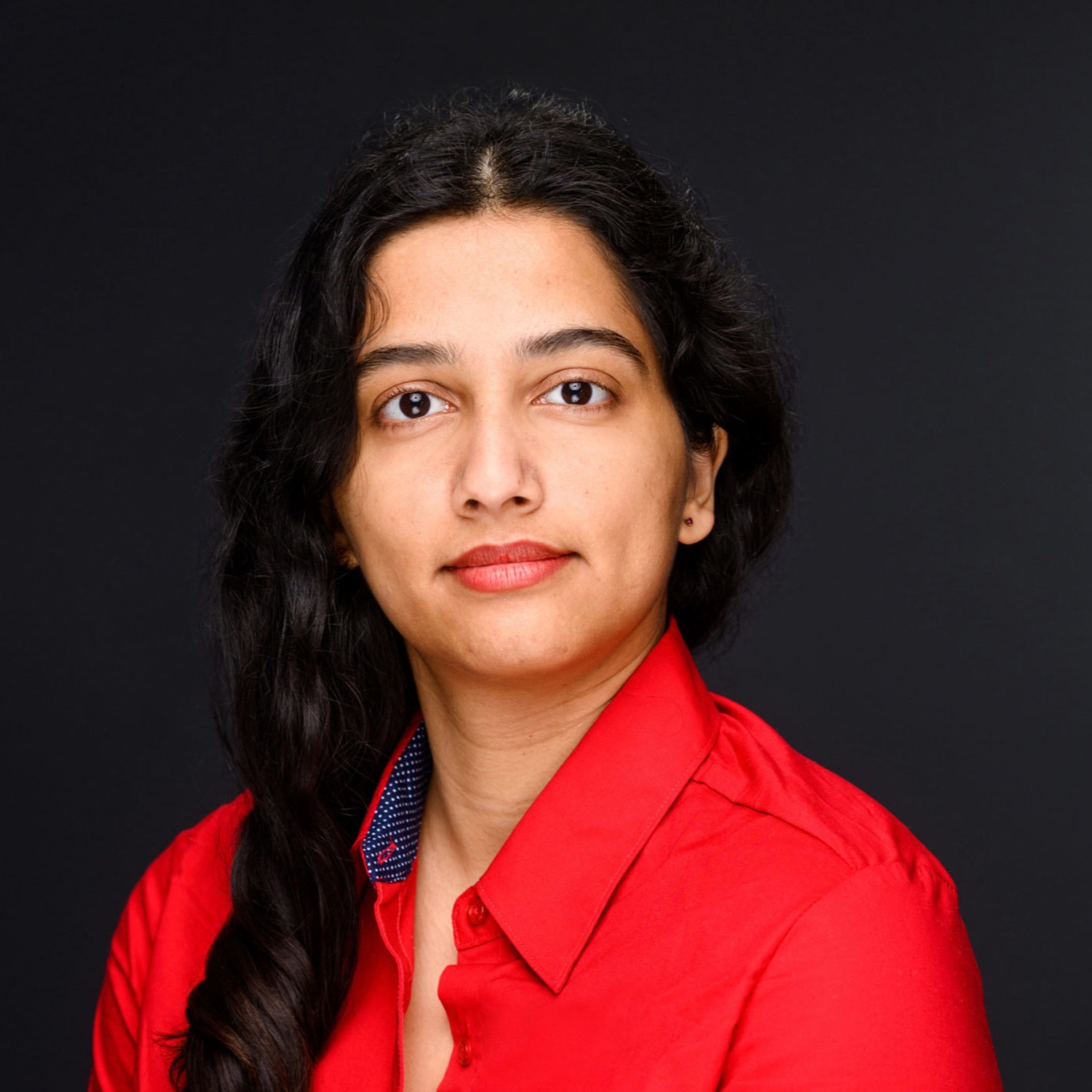
Ajeya Cotra joins us to talk about thinking clearly in a rapidly changing world. Learn more about the work of Ajeya and her colleagues: https://www.openphilanthropy.org Timestamps: 00:00 Introduction 00:44 The default versus the accelerating picture of the future 04:25 The role of AI in accelerating change 06:48 Extrapolating economic growth 08:53 How do we know whether the pace of change is accelerating? 15:07 How can we cope with a rapidly changing world? 18:50 How could the future be utopian? 22:03 Is accelerating technological progress immoral? 25:43 Should we imagine concrete future scenarios? 31:15 How should we act in an accelerating world? 34:41 How Ajeya could be wrong about the future 41:41 What if change accelerates very rapidly?
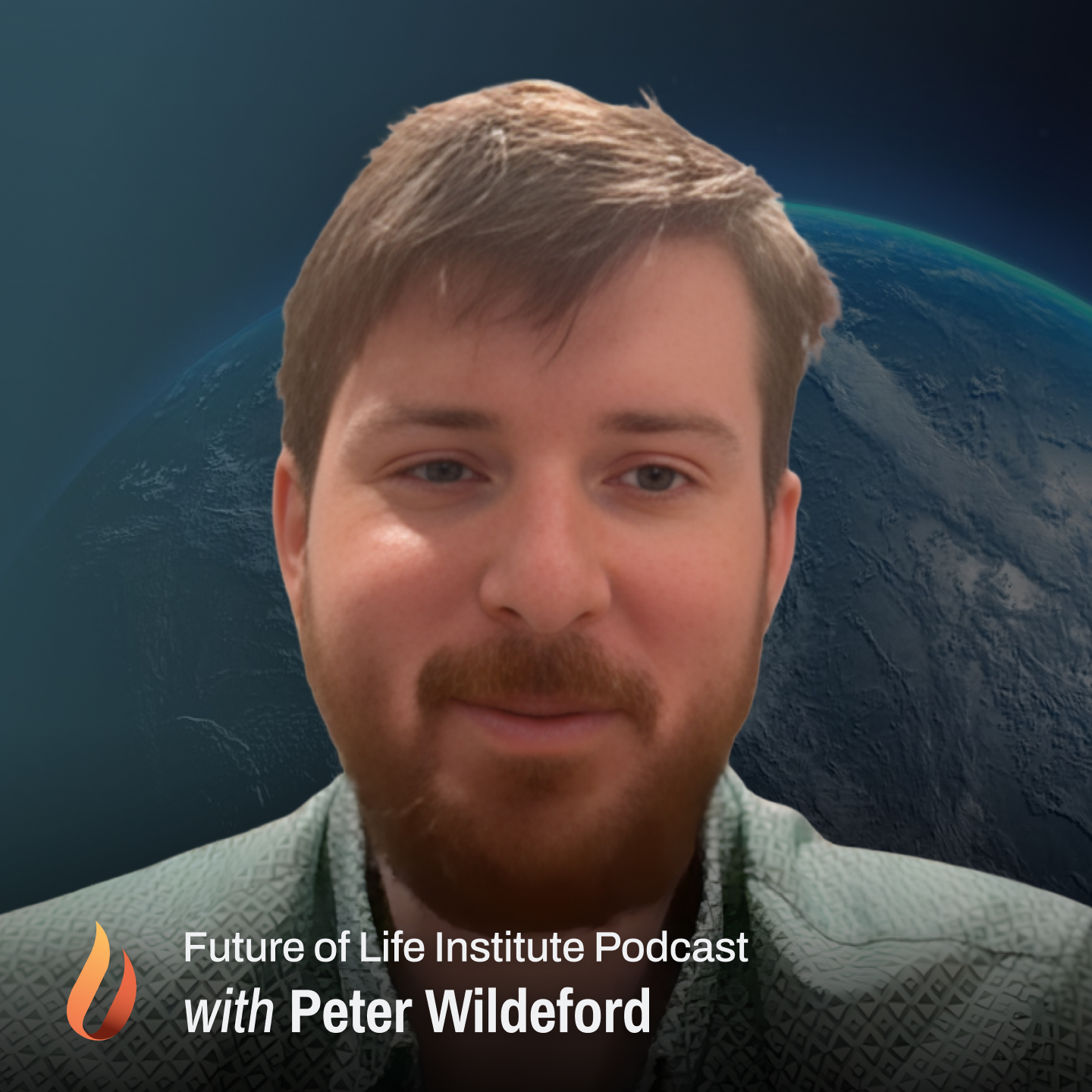
Peter Wildeford discusses methods for forecasting AI progress and why he sees AI as neither a bubble nor a normal technology, covering economic effects, national security, cyber capabilities, robotics, export controls, and prediction markets.
Physician-scientist Emilia Javorsky argues that curing cancer is limited more by biology’s complexity, data quality, and incentives than by intelligence, and explores realistic uses of AI in drug development, trials, and reducing medical bureaucracy.
Emilia Javorsky explores how AI can realistically aid cancer research, where current hype exceeds evidence, and what changes researchers, policymakers, and funders must make to turn AI advances into real clinical impact.