Anders Sandberg joins the podcast to discuss how big the future could be and what humanity could achieve at the limits of physics. Learn more about Anders' work: https://www.fhi.ox.ac.uk Timestamps: 00:00 Introduction 00:58 Does it make sense to write long books now? 06:53 Is it possible to understand all of science now? 10:44 What is exploratory engineering? 15:48 Will humanity develop a completed science? 21:18 How much of possible technology has humanity already invented? 25:22 Which sciences have made the most progress? 29:11 How materially wealthy could humanity become? 39:34 Does a grand futures depend on space travel? 49:16 Trade between proponents of different moral theories 53:13 How does physics limit our ethical options? 55:24 How much could our understanding of physics change? 1:02:30 The next episode
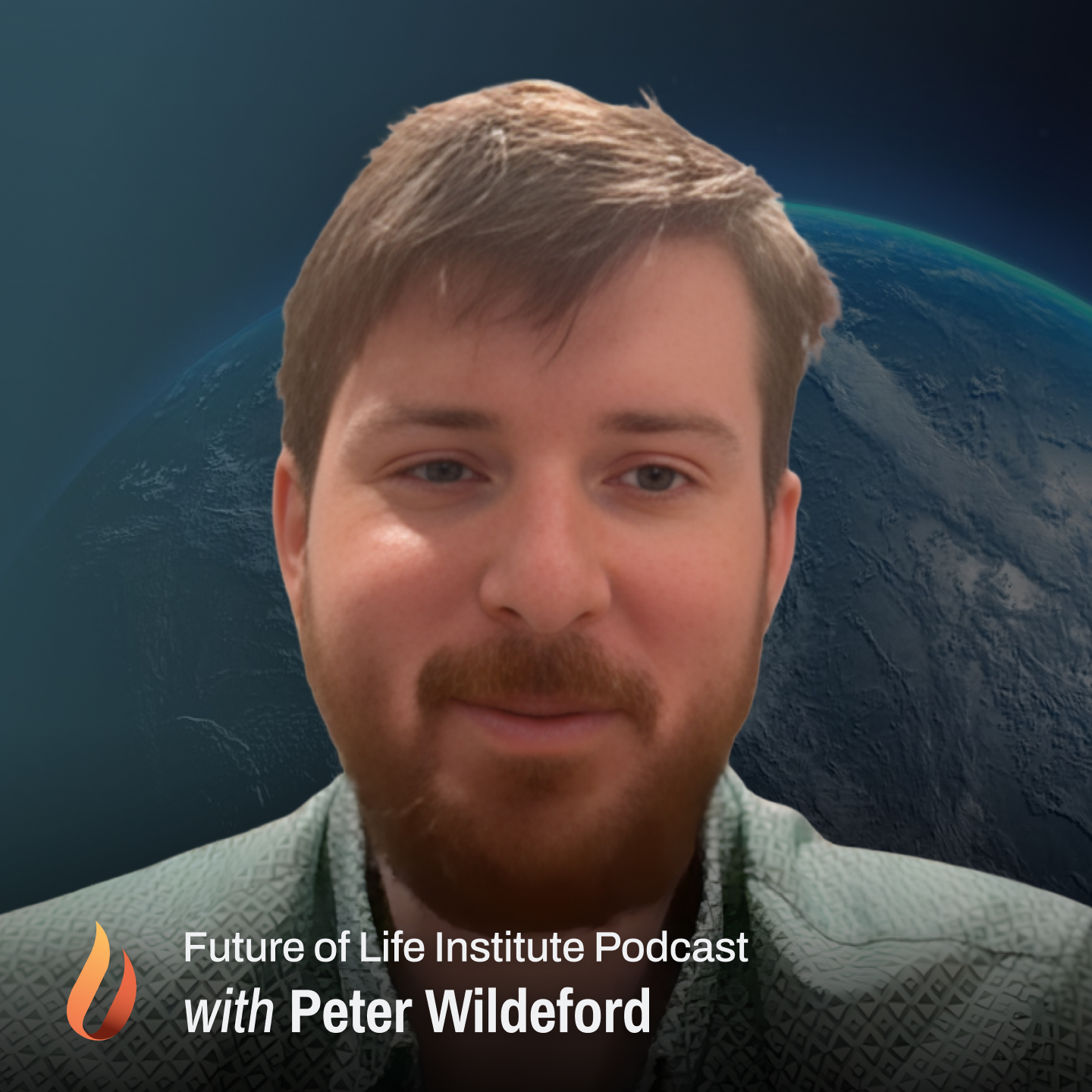
Peter Wildeford discusses methods for forecasting AI progress and why he sees AI as neither a bubble nor a normal technology, covering economic effects, national security, cyber capabilities, robotics, export controls, and prediction markets.
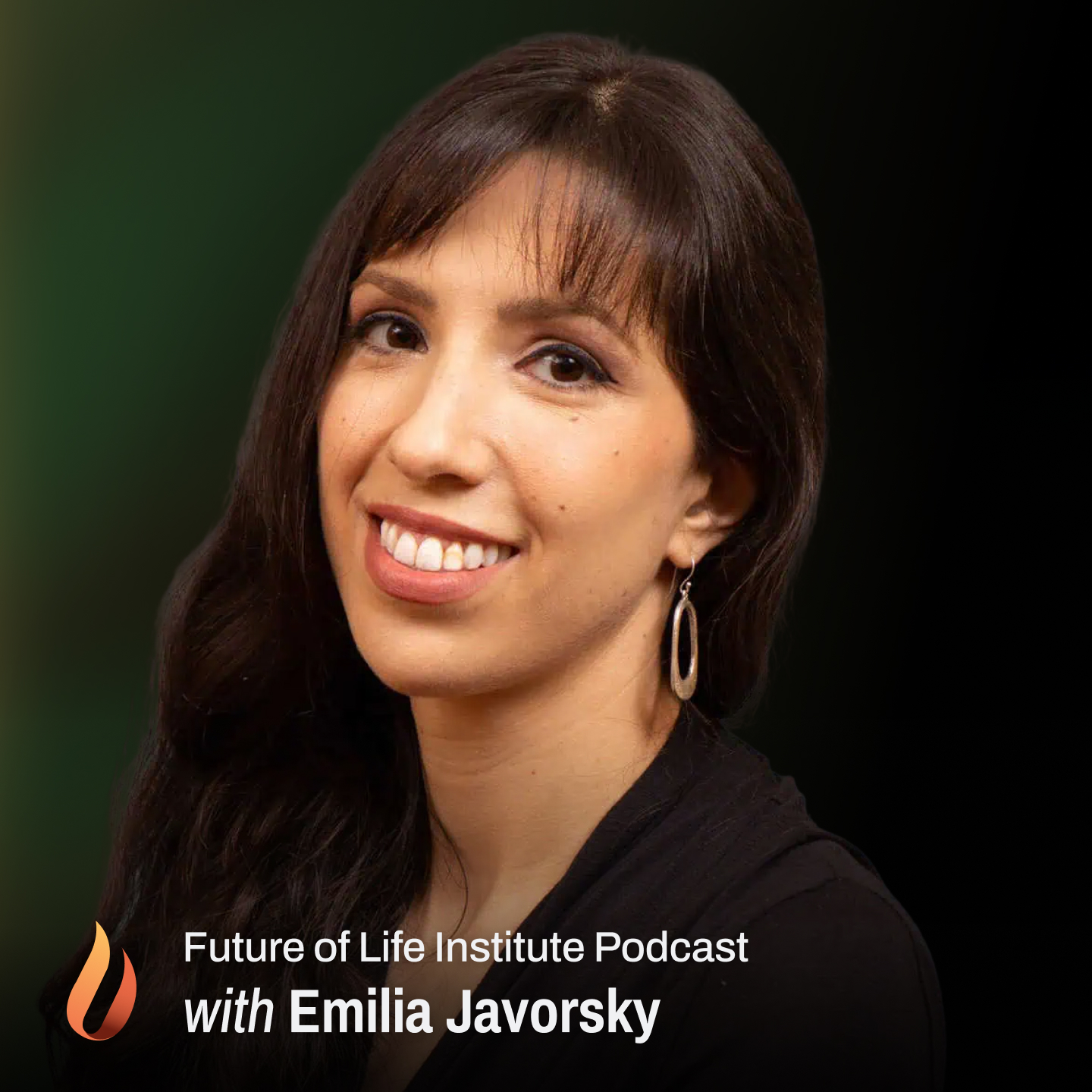
Physician-scientist Emilia Javorsky argues that curing cancer is limited more by biology’s complexity, data quality, and incentives than by intelligence, and explores realistic uses of AI in drug development, trials, and reducing medical bureaucracy.
Emilia Javorsky explores how AI can realistically aid cancer research, where current hype exceeds evidence, and what changes researchers, policymakers, and funders must make to turn AI advances into real clinical impact.