Brian Toon joins us to discuss the risk of nuclear winter. Learn more about Brian's work: https://lasp.colorado.edu/home/people/brian-toon/ Read Brian's publications: https://airbornescience.nasa.gov/person/Brian_Toon Timestamps: 00:00 Introduction 01:02 Asteroid impacts 04:20 The discovery of nuclear winter 13:56 Comparing volcanoes and asteroids to nuclear weapons 19:42 How did life survive the asteroid impact 65 million years ago? 25:05 How humanity could go extinct 29:46 Nuclear weapons as a great filter 34:32 Nuclear winter and food production 40:58 The psychology of nuclear threat 43:56 Geoengineering to prevent nuclear winter 46:49 Will humanity avoid nuclear winter?
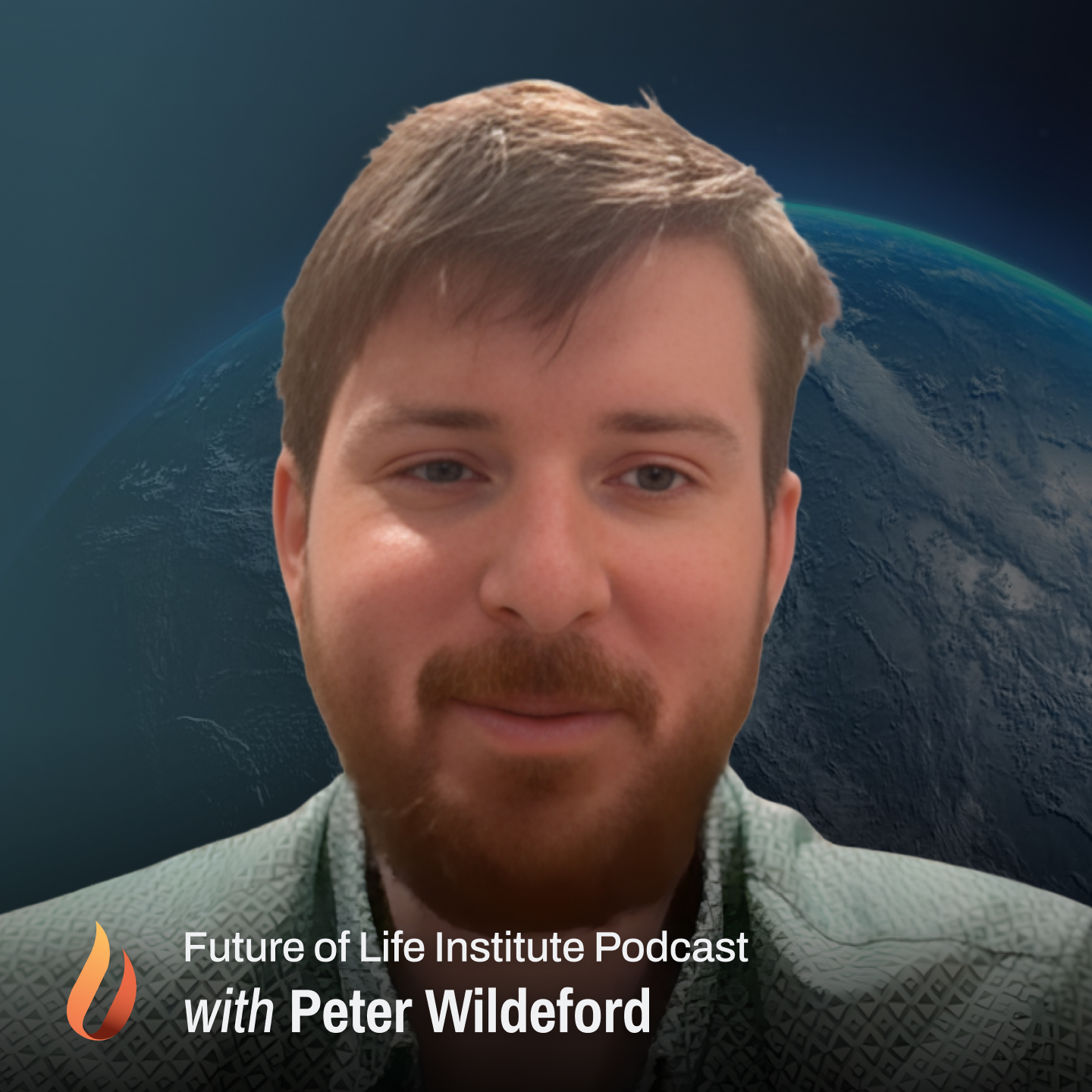
Peter Wildeford discusses methods for forecasting AI progress and why he sees AI as neither a bubble nor a normal technology, covering economic effects, national security, cyber capabilities, robotics, export controls, and prediction markets.
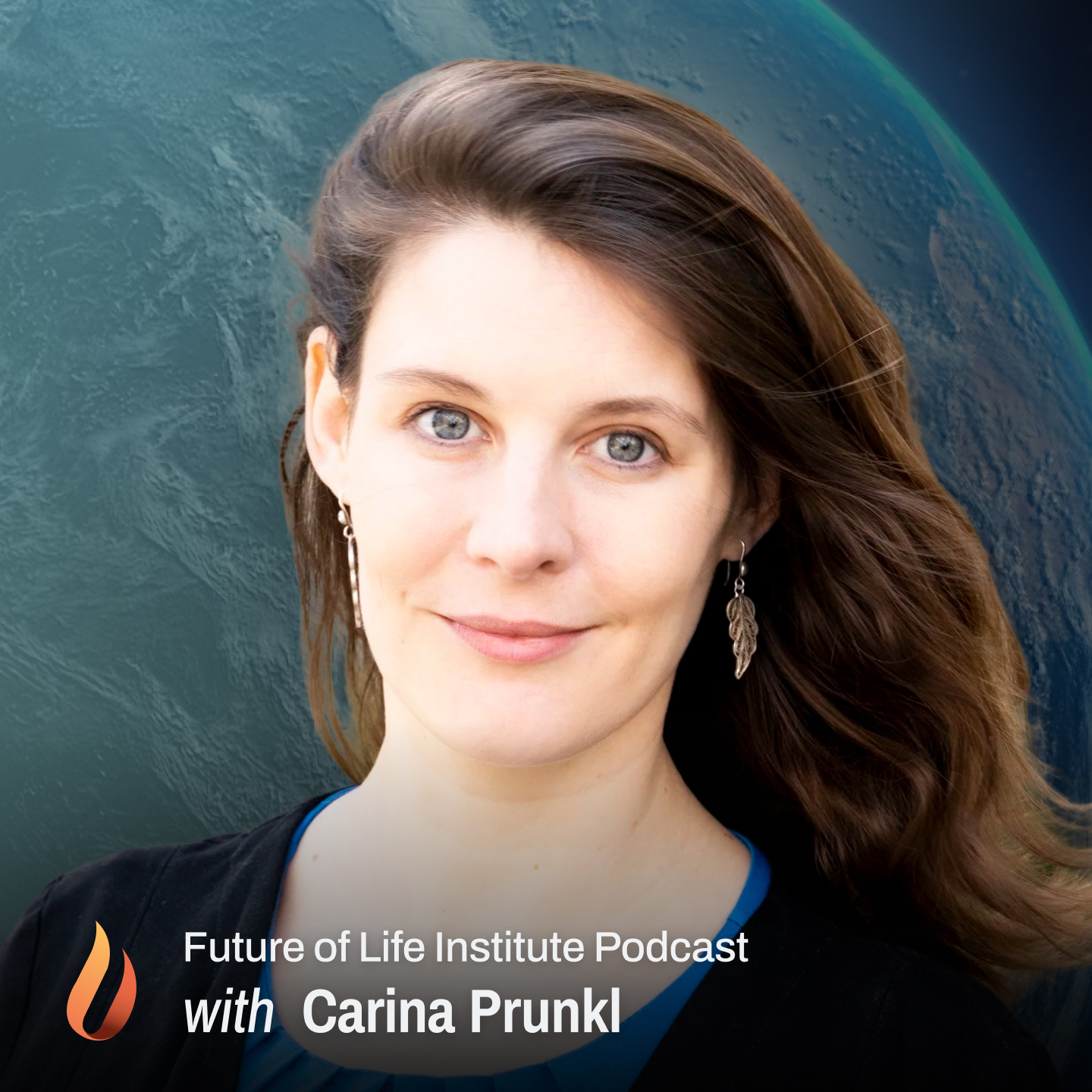
Inria researcher Carina Prunkl discusses why AI evaluation struggles to keep pace with general-purpose systems, including jagged capabilities, missed real-world behavior, misuse risks, de-skilling, red teaming, and layered safeguards.
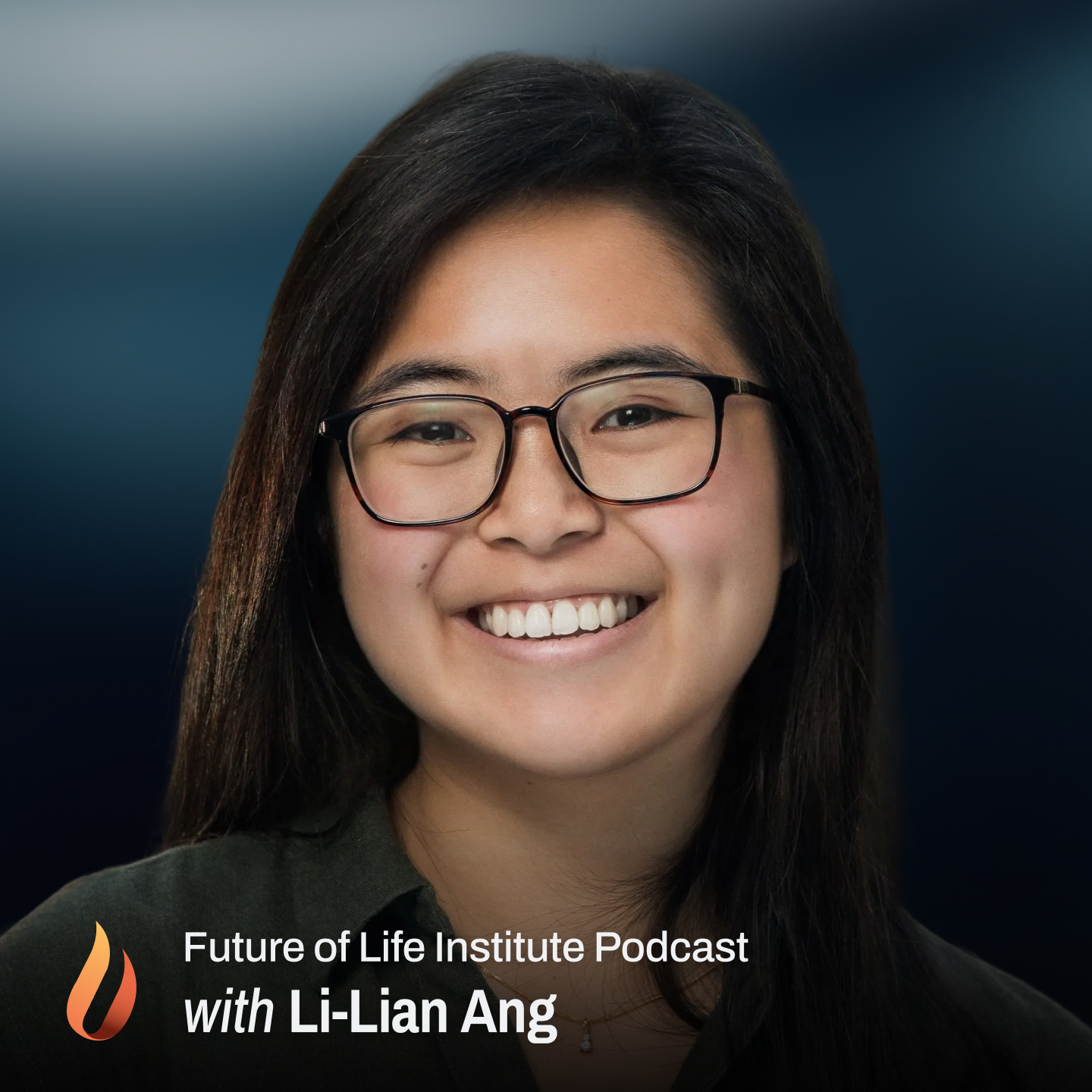
Li-Lian Ang from Blue Dot Impact discusses how to build a workforce to defend against AI-driven risks, including engineered pandemics, cyber attacks, job disempowerment, and concentrated power, using a defense-in-depth framework for uncertain AI progress.