Philip Reiner joins us to talk about nuclear, command, control and communications systems. Learn more about Philip's work: https://securityandtechnology.org/ Timestamps: [00:00:00] Introduction [00:00:50] Nuclear command, control, and communications [00:03:52] Old technology in nuclear systems [00:12:18] Incentives for nuclear states [00:15:04] Selectively enhancing security [00:17:34] Unilateral de-escalation [00:18:04] Nuclear communications [00:24:08] The CATALINK System [00:31:25] AI in nuclear command, control, and communications [00:40:27] Russia's war in Ukraine
Claire Boine discusses how AI companion apps can foster attachment and dependency through design and freemium models. The episode examines privacy, risks for children and teens, legal gaps in the EU and US, and policy approaches to social harms.
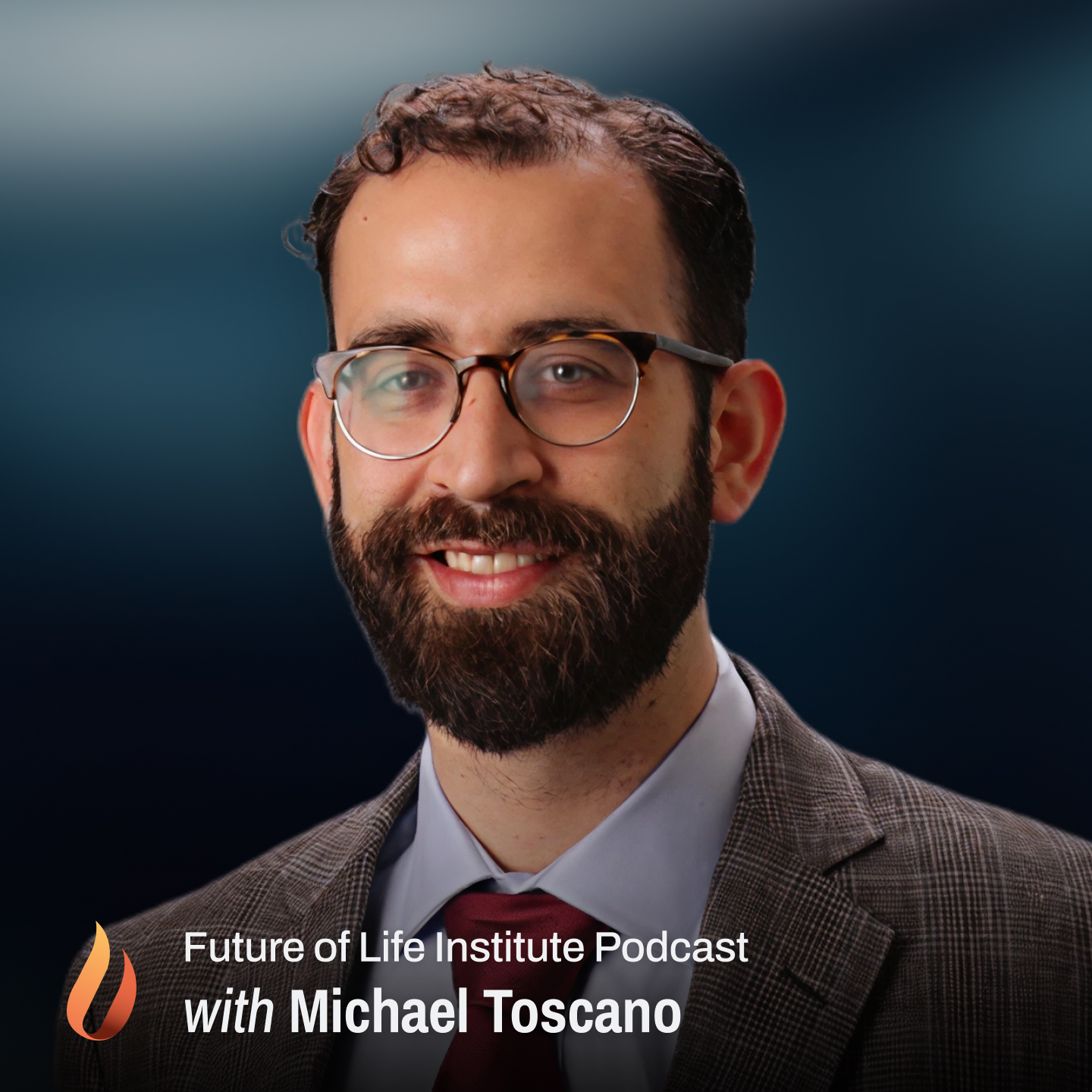
Michael Toscano discusses family-centered AI policy, including AI companions, sexualized chatbots, self-harm risks, schools, and smartphone use. He argues that governance should hold technology accountable to families and children’s development.
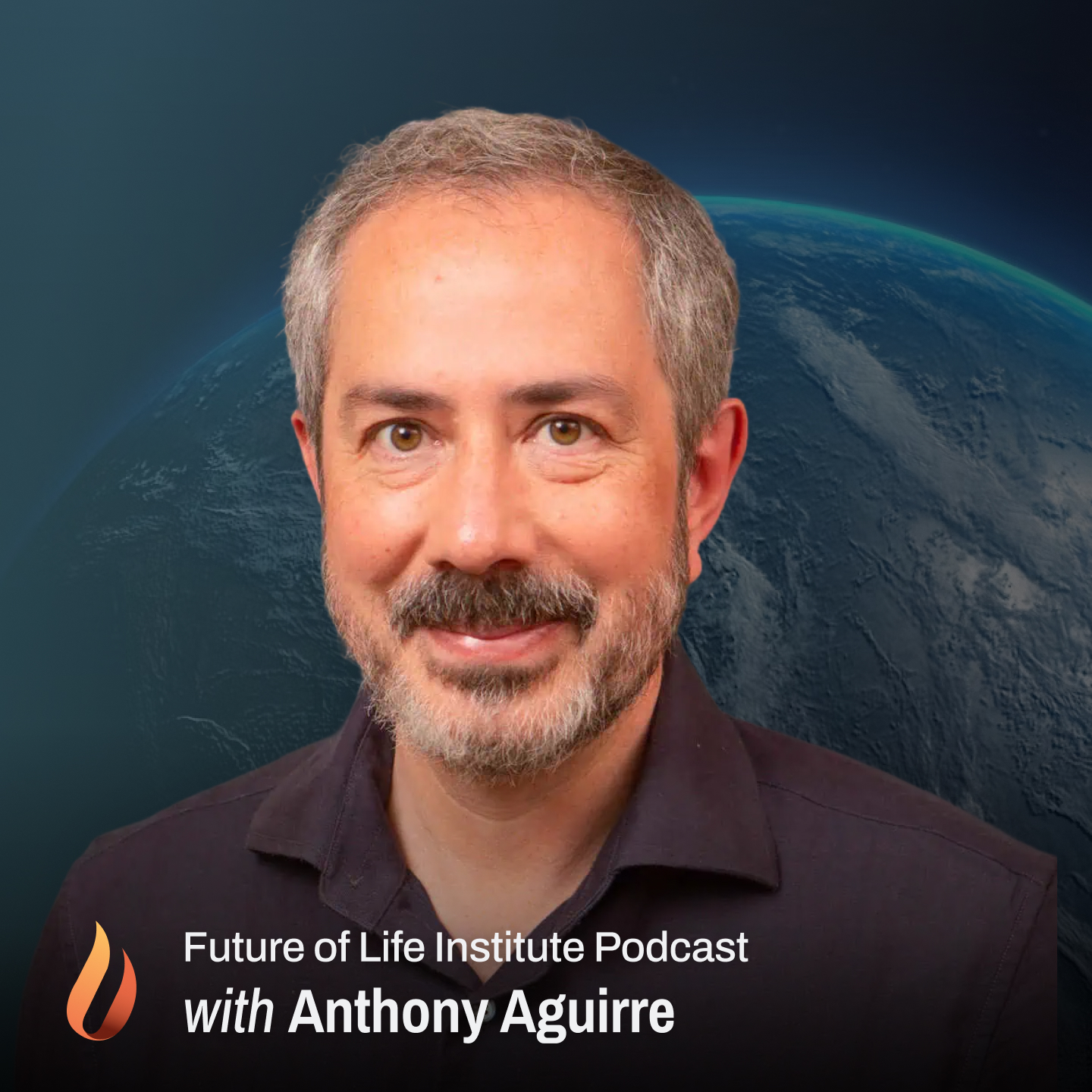
Anthony Aguirre of the Future of Life Institute discusses A Better Path for AI, arguing against races to replace people and for purpose-built AI tools with human control, guardrails, accountability, and international cooperation.