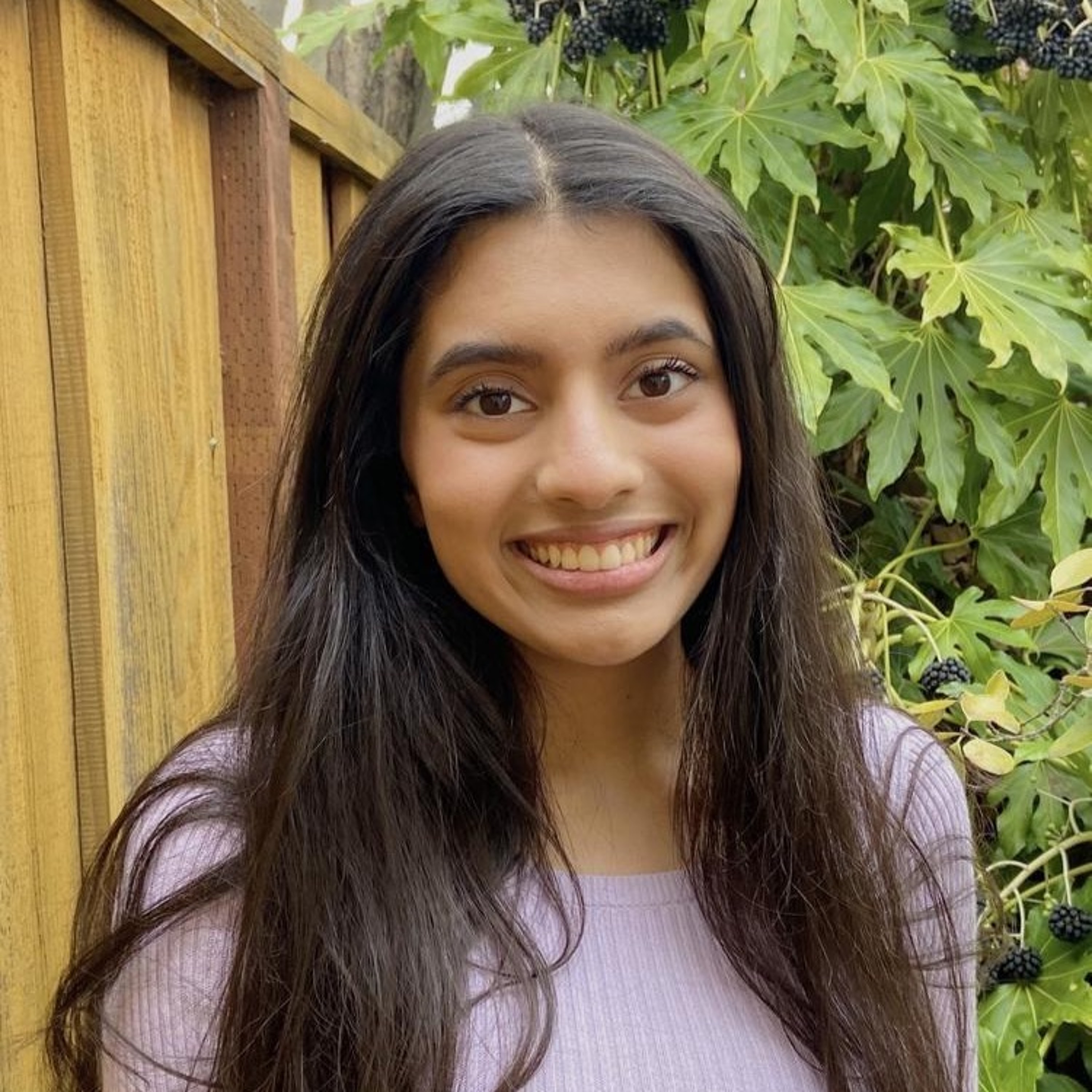
Sneha Revanur joins the podcast to discuss the social effects of AI, the illusory divide between AI ethics and AI safety, the importance of humans in the loop, the different effects of AI on younger and older people, and the importance of AIs identifying as AIs.
Sneha Revanur joins the podcast to discuss the social effects of AI, the illusory divide between AI ethics and AI safety, the importance of humans in the loop, the different effects of AI on younger and older people, and the importance of AIs identifying as AIs. You can read more about Sneha's work at https://encodejustice.org Timestamps: 00:00 Encode Justice 06:11 AI ethics and AI safety 15:49 Humans in the loop 23:59 AI in social media 30:42 Deteriorating social skills? 36:00 AIs identifying as AIs 43:36 AI influence in elections 50:32 AIs interacting with human systems
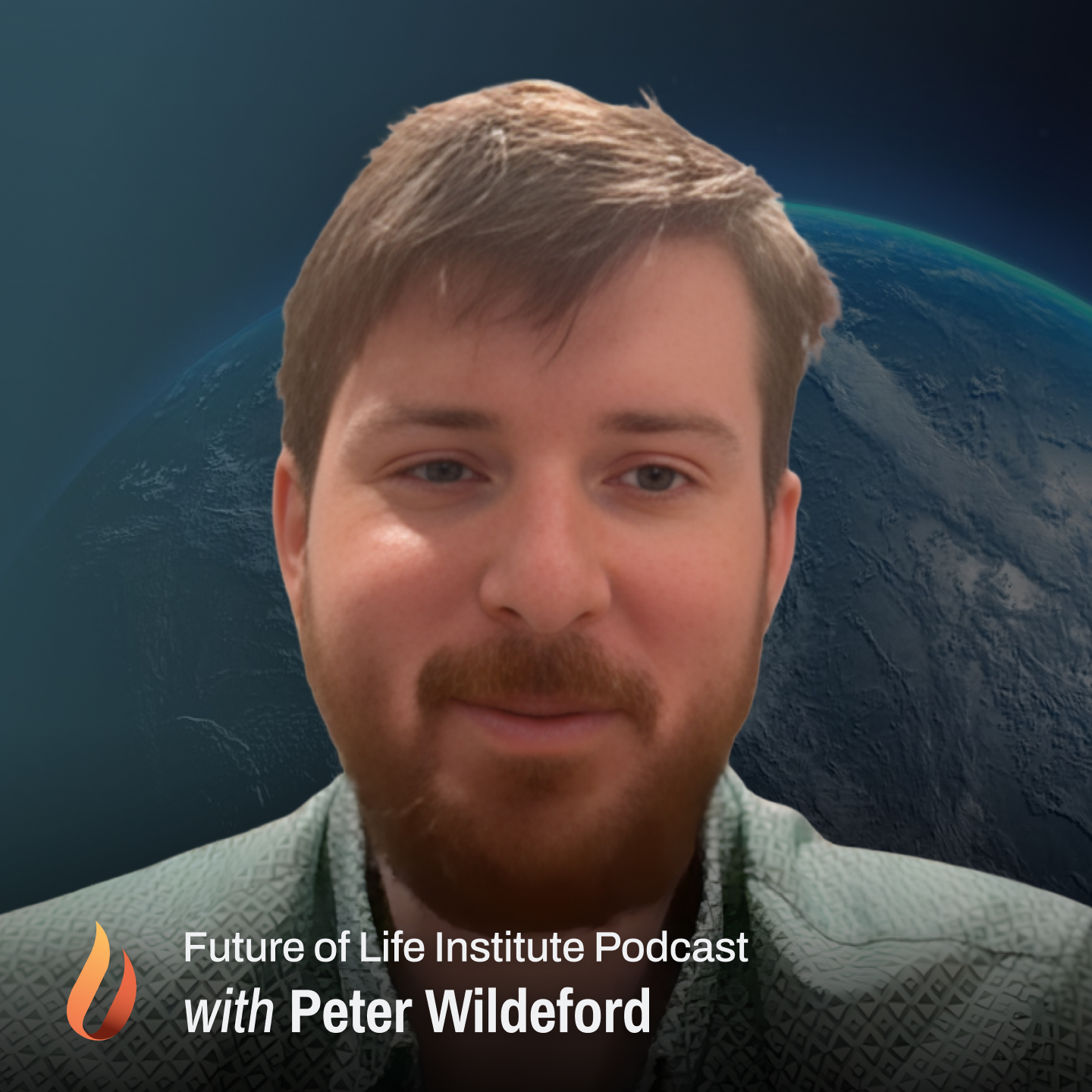
Peter Wildeford discusses methods for forecasting AI progress and why he sees AI as neither a bubble nor a normal technology, covering economic effects, national security, cyber capabilities, robotics, export controls, and prediction markets.
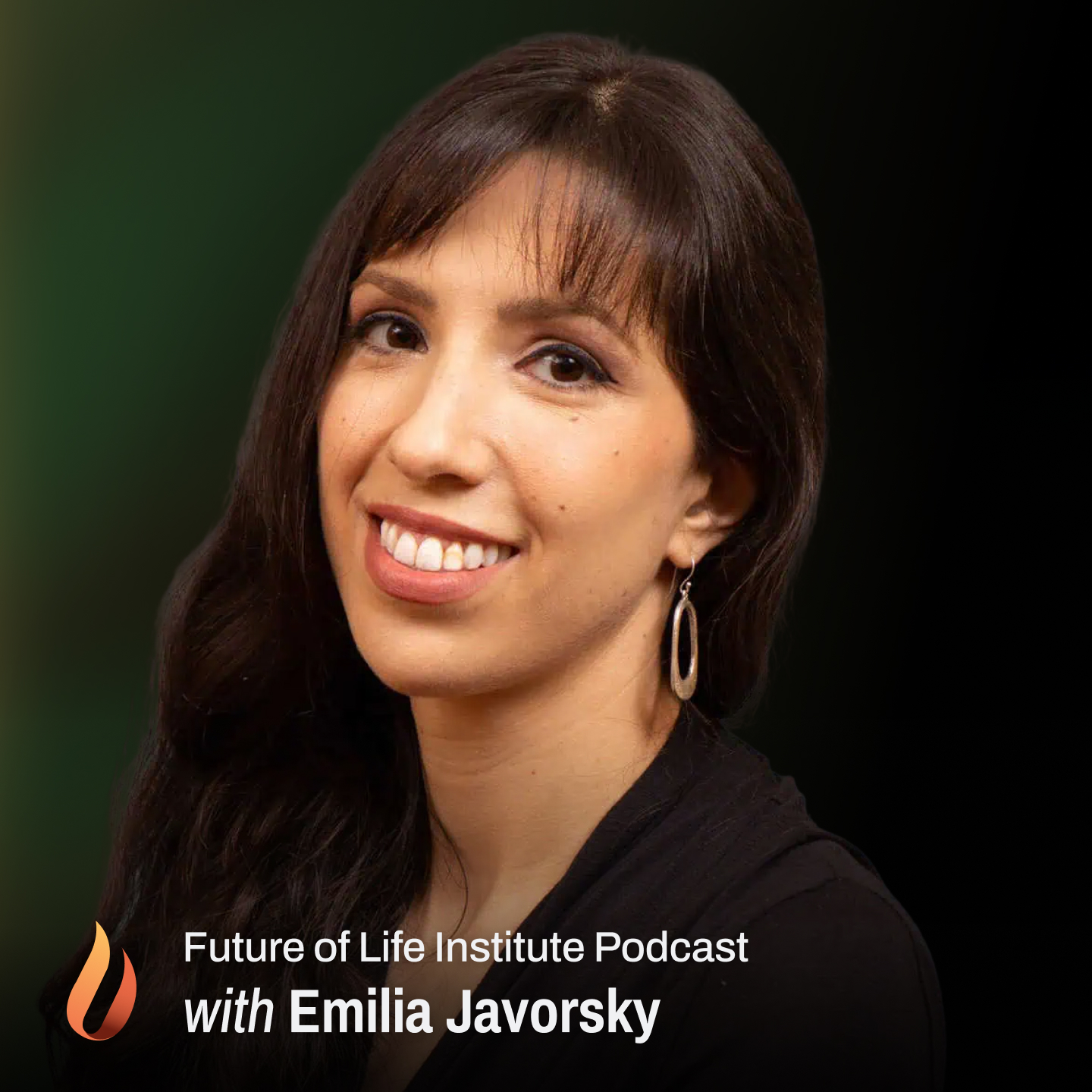
Physician-scientist Emilia Javorsky argues that curing cancer is limited more by biology’s complexity, data quality, and incentives than by intelligence, and explores realistic uses of AI in drug development, trials, and reducing medical bureaucracy.
Emilia Javorsky explores how AI can realistically aid cancer research, where current hype exceeds evidence, and what changes researchers, policymakers, and funders must make to turn AI advances into real clinical impact.