On this special episode of the podcast, Flo Crivello talks with Nathan Labenz about AI as a new form of life, whether attempts to regulate AI risks regulatory capture, how a GPU kill switch could work, and why Flo expects AGI in 2-8 years.
On this special episode of the podcast, Flo Crivello talks with Nathan Labenz about AI as a new form of life, whether attempts to regulate AI risks regulatory capture, how a GPU kill switch could work, and why Flo expects AGI in 2-8 years. Timestamps: 00:00 Technological progress 07:59 Regulatory capture and AI 11:53 AI as a new form of life 15:44 Can AI development be paused? 20:12 Biden's executive order on AI 22:54 How would a GPU kill switch work? 27:00 Regulating models or applications? 32:13 AGI in 2-8 years 42:00 China and US collaboration on AI
Claire Boine discusses how AI companion apps can foster attachment and dependency through design and freemium models. The episode examines privacy, risks for children and teens, legal gaps in the EU and US, and policy approaches to social harms.
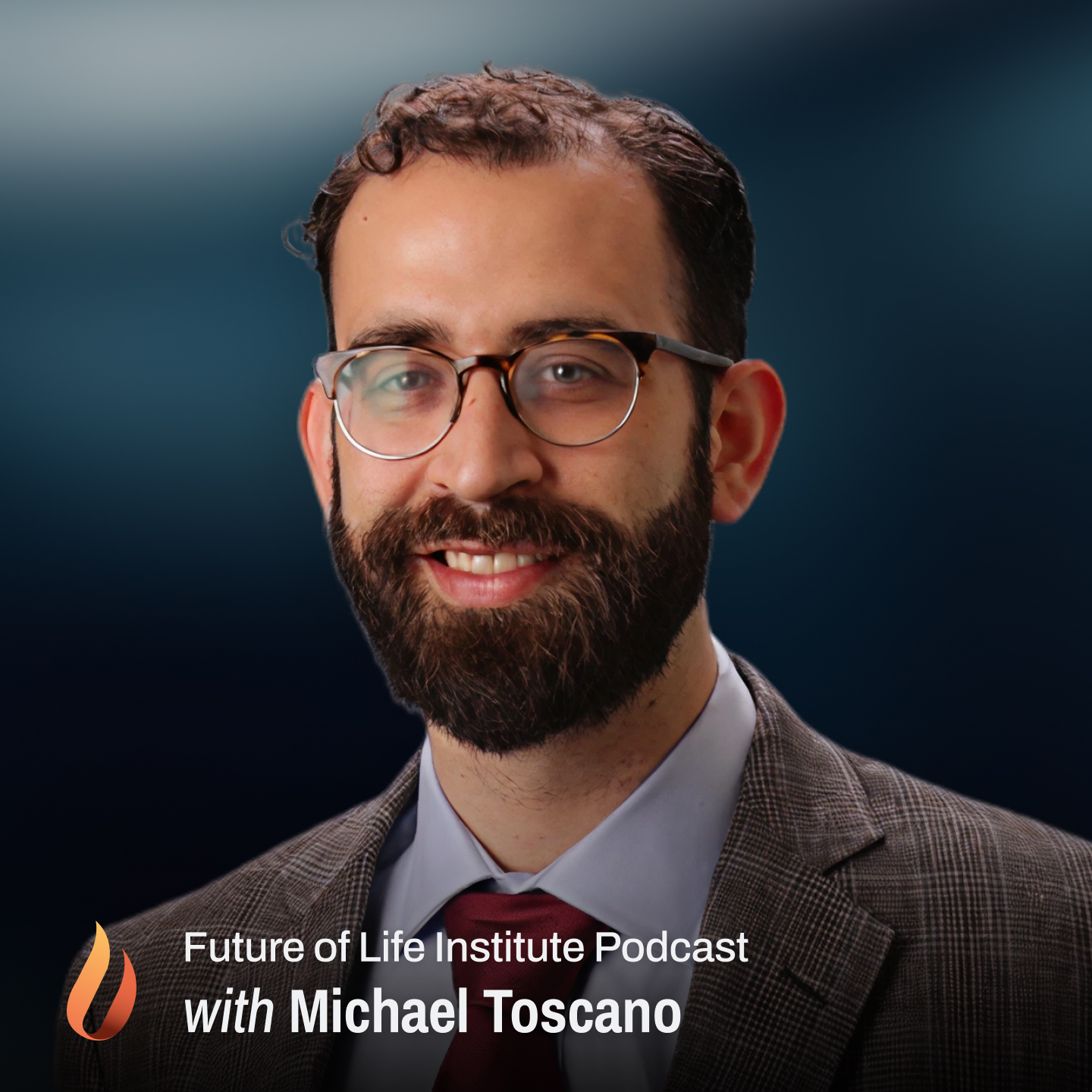
Michael Toscano discusses family-centered AI policy, including AI companions, sexualized chatbots, self-harm risks, schools, and smartphone use. He argues that governance should hold technology accountable to families and children’s development.
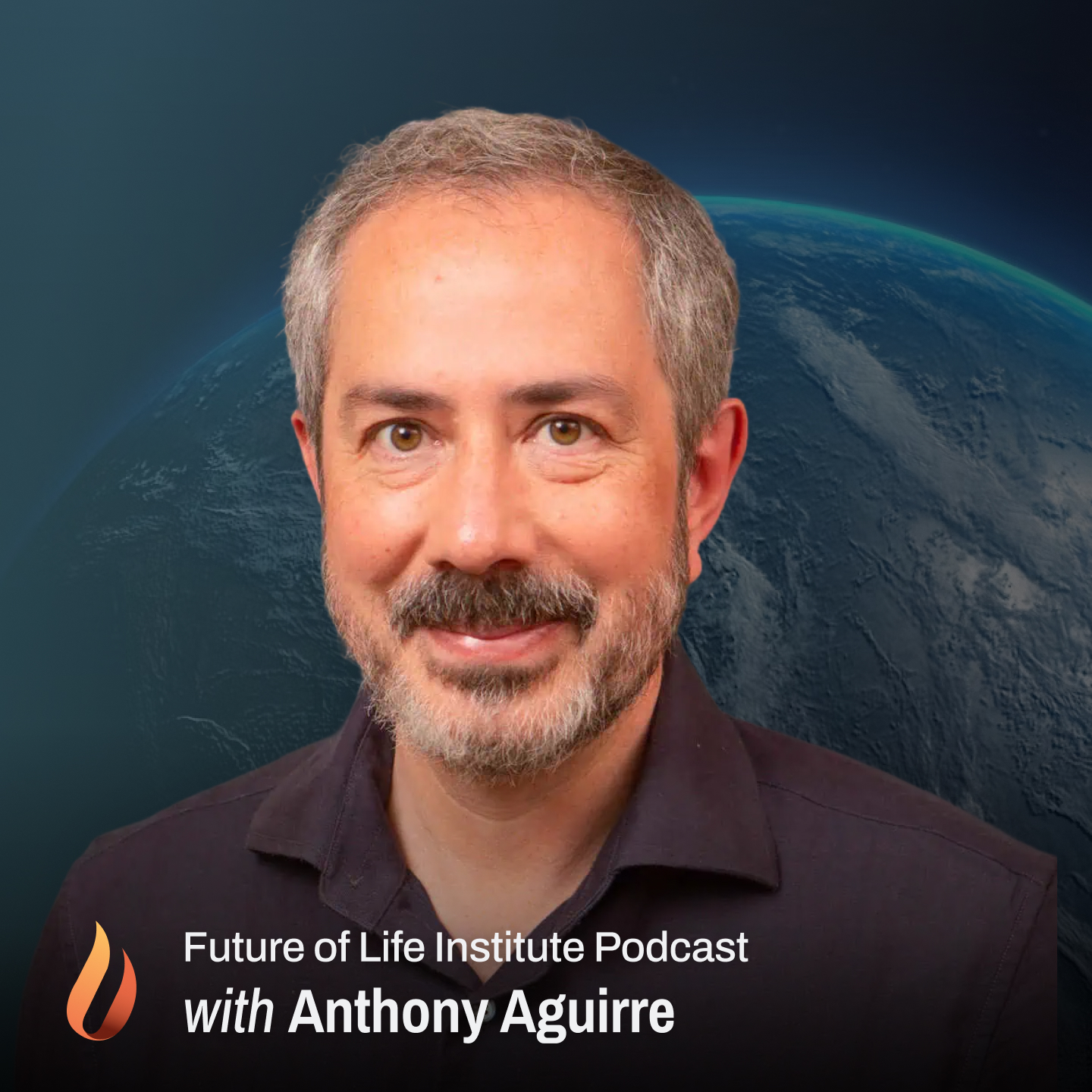
Anthony Aguirre of the Future of Life Institute discusses A Better Path for AI, arguing against races to replace people and for purpose-built AI tools with human control, guardrails, accountability, and international cooperation.